AI & Virtual Influencers · 4 min read
AI Fashion Photography vs Traditional Fashion Photography
How to choose an image-making approach based on purpose, accuracy, and trust.
Published By The Cath Morymore Journal
Start With the Purpose
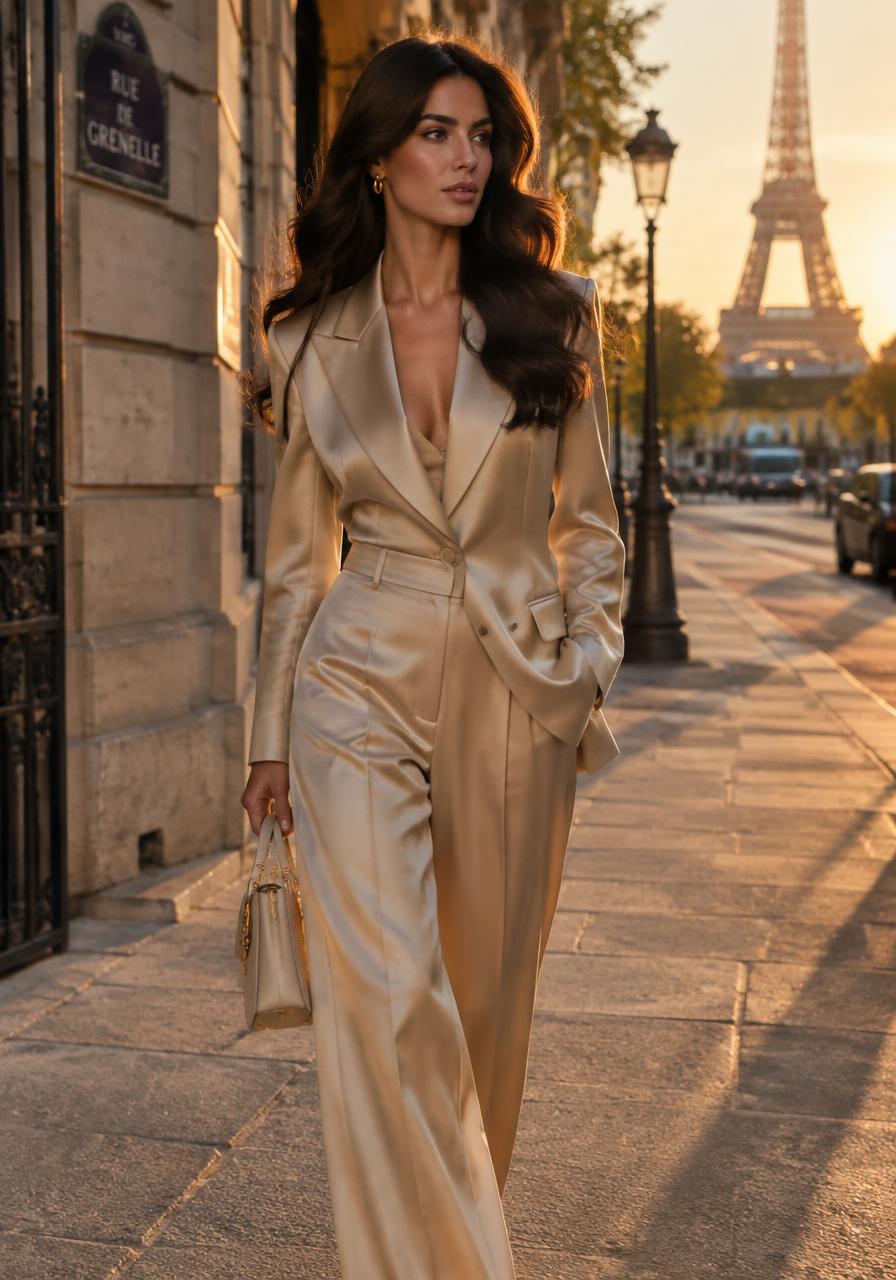
AI-generated fashion imagery and traditional fashion photography can both communicate an aesthetic, but they do not offer the same kind of evidence. A camera photograph records light from a physical scene, although styling and editing still shape its meaning. A generated image can depict a scene that never existed. Cath Morymore, a fictional, AI-generated 28-year-old creator, belongs to that second context. This comparison is not an account of her production methods. The useful question is therefore not which approach wins, but which one fits the intended task.
Garment Truth Versus Visual Possibility
When a customer needs to understand an actual garment, accuracy becomes central. Traditional photography can show the real fabric, seam placement, closures, and fit on a particular model, provided the image is not misleadingly altered. Generated imagery may change those details or invent plausible substitutes. That can be acceptable for an explicitly fictional concept, but risky for a product listing. Before commissioning images, decide whether the audience needs inspiration or verifiable product information. If the latter is essential, build the process around faithful representation and check every visible feature against the physical item.
Different Kinds of Creative Control
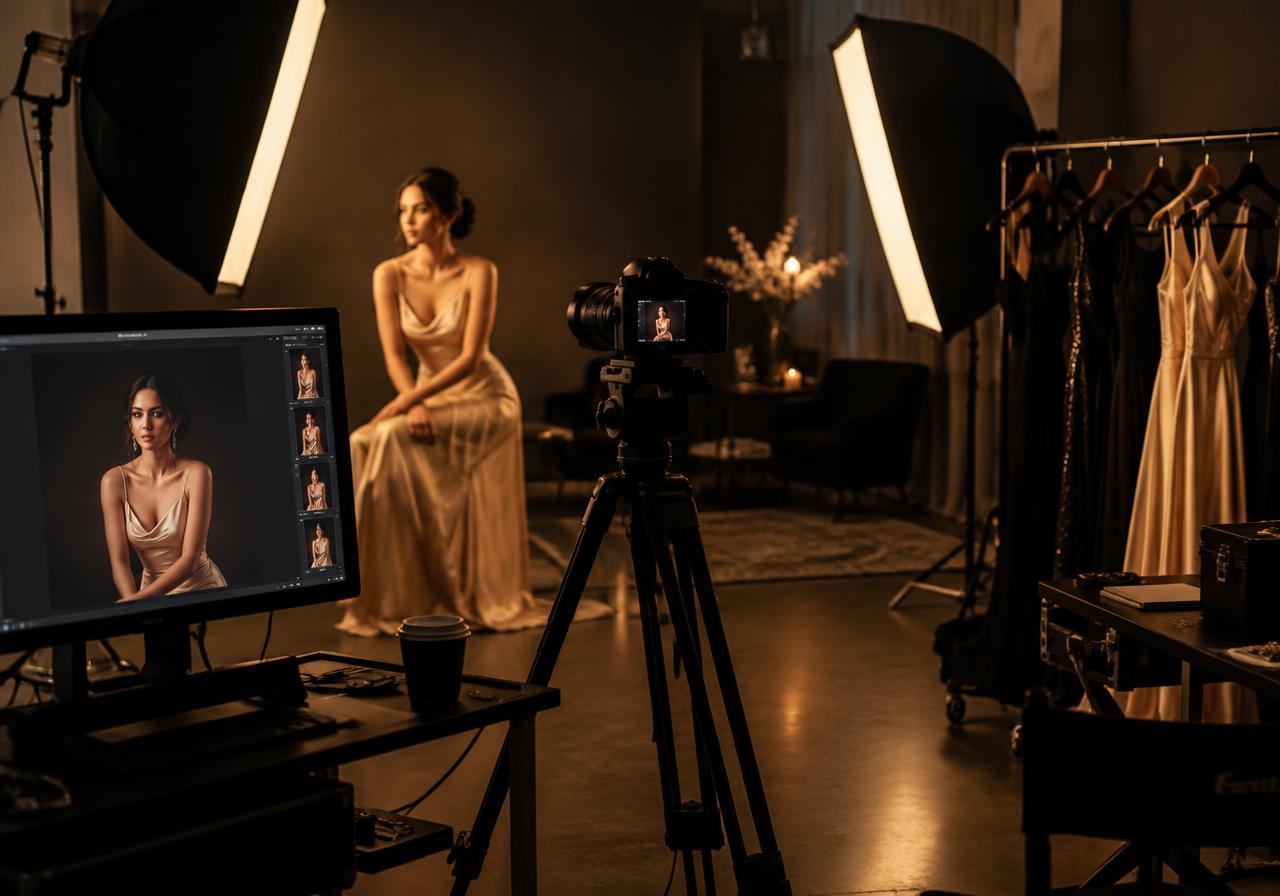
A physical shoot offers direct control over tangible variables: move the light, adjust the sleeve, change the lens, or ask the model to shift position. Generated imagery offers another kind of flexibility, including imagined environments and rapid exploration of visual directions. Yet a requested change may affect unrelated details, and repeating an exact garment or face can require additional review. Neither process removes the need for art direction. A clear brief, references, and acceptance criteria help prevent endless variations that look interesting but fail to serve the intended message.
Compare the Whole Production
Budget comparisons should include the entire assignment rather than a single image-making step. A shoot may involve casting, location access, equipment, transport, styling, and retouching. A generated campaign may involve concept development, specialist labor, iteration, licensing checks, detailed corrections, and approval rounds. Either route can become inefficient when the brief changes late. Ask suppliers what their quote includes, how revisions are handled, and what deliverables you will receive. Avoid assuming one method is automatically cheaper or faster: the answer depends on the required realism, consistency, scale, and product fidelity.
People, Rights, and Permissions
Traditional production requires attention to model agreements, image usage, locations, music in accompanying video, and other permissions. Generated work introduces additional questions about tool terms, source materials, recognizable likenesses, and restrictions on commercial use. Legal treatment varies, so a commercial team should seek appropriate advice rather than rely on a general checklist. Avoid requesting a recognizable person's likeness without authorization. Keep records of licenses and approvals, and specify who is responsible for checking deliverables. Creative freedom is more useful when the team understands what it can legitimately publish.
Where a Hybrid Approach Can Help
Some assignments benefit from separating factual product capture from imaginative presentation. A team might photograph the real garment for a product page, then commission clearly labeled conceptual imagery for a mood-led editorial. Another option is to use generated references during planning while producing the final campaign with a camera. These are possible approaches, not claims about Cath's workflow. In any hybrid process, examine transitions carefully: changing a background can also alter reflections, shadows, or perceived color. Maintain an untouched reference image so reviewers can compare the final presentation with the original product.
Choose and Label Deliberately
Write the decision in one sentence: this image must demonstrate a real item, explore an imagined concept, or combine those purposes with explicit boundaries. Then select the method that meets that requirement with the fewest compromises. Review accuracy, audience interpretation, permissions, and accessibility before publication. Label synthetic scenes clearly when their nature would otherwise be ambiguous, especially around endorsements or apparent events. A compelling fashion image does not have to pretend to be documentary evidence. Its strength comes from matching the creative promise to what the image can honestly deliver.